All News
Upcoming Events

The World Health Organization defines sexual health as a state of whole body and mind well-being regarding sexuality and sexual relationships, which should be approached with positivity and respect as well as have the possibility of more pleasurable and safe sexual experiences free of coercion, discrimination, and violence. This entails:

Introduction
Erectile dysfunction (ED) is one of the most common sexual dysfunctions in biological males, affecting a significant population and usually increasing in prevalence with age. Previous studies have shown that physical activity can help with erectile function; aerobic exercises and activities can enhance vascular function, reduce inflammation, and improve blood flow, which all contribute to good erectile function. However, aerobic activities are not accessible for every individual and may be more difficult to do, especially as men age. Walking is accessible, simple, and free, making it a good exercise to incorporate into daily routines and potentially improve erectile function.
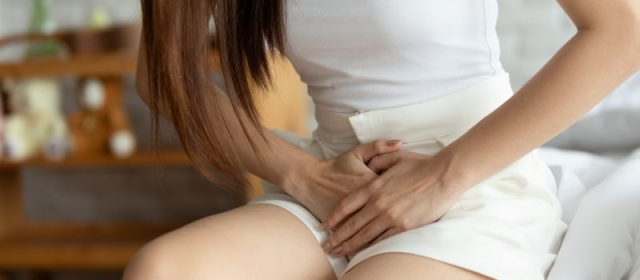
Provoked vulvodynia is pain felt in the vulva for at least three months without a known cause. This can be triggered by touch or pressure in the vulva, possibly from both sexual and non-sexual stimuli. According to a 2019 study, about 10% of individuals across Europe are affected by provoked vulvodynia, which often results in pain during intercourse.

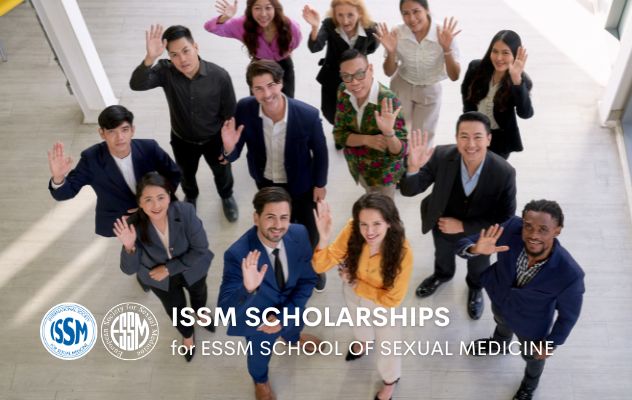
ISSM is offering 10 full scholarships for the prestigious ESSM School of Sexual Medicine, taking place November 14-23, 2025, in Budapest, Hungary.
Don't miss this opportunity to enhance your clinical expertise and connect with top professionals in the field!
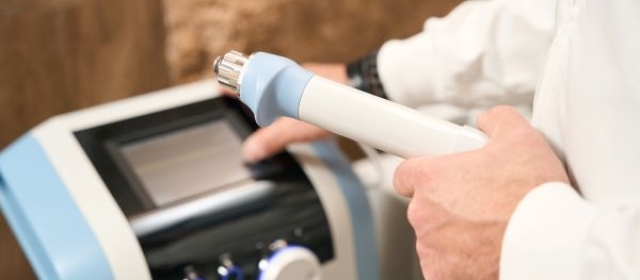
Sexual health plays a crucial role in overall well-being, and researchers continue to explore new treatments to help individuals struggling with sexual dysfunctions. Exciting advancements in medical technology offer promising solutions, including low-intensity shockwave therapy (LiSWT), stem cell therapy, and platelet-rich plasma (PRP) therapy. While these treatments show potential, they also have limitations that need to be addressed through further research.

Sexual minority women (SMW), including lesbian, bisexual, and queer women, often face more physical and mental health challenges than heterosexual women, such as higher rates of anxiety, depression, and PTSD. They are also less likely to have health insurance and may experience barriers to medical care.
In this powerful episode with host Shelly Varod and guest Anna Padoa, we explore how sexual abuse impacts sexual health from a gynecological perspective. We discuss the common gynecological issues survivors face, how gynecologists can create a safe space for them, and treatments available for sexual pain and dysfunction. The episode also touches on the role of hormonal health in recovery and the importance of collaboration between gynecologists and mental health professionals.

Glucagon-like peptide-1 (GLP-1) agonists are widely known for their role in managing type 2 diabetes and promoting weight loss. However, recent research suggests these medications may have an effect on sexual desire. While losing weight can improve body image and self-confidence, leading to a more satisfying sex life, some researchers question whether GLP-1 agonists may reduce sexual interest due to their effects on brain chemistry, particularly serotonin pathways. A few studies suggest a possible link, but the overall picture is still unclear.

Sexuality is an important part of life, affecting both physical and mental health. Regular sexual activity has been linked to benefits like a lower risk of certain diseases and improved well-being. While studies show that sexual activity is associated with better mental health, research specifically on women remains limited.
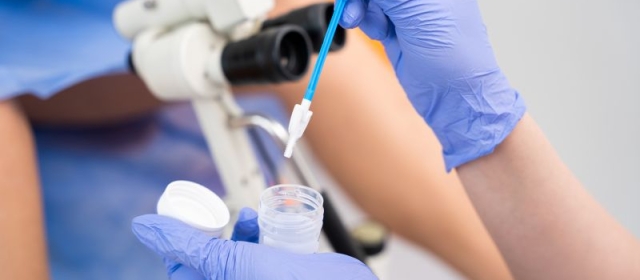
If you’ve been treated for a sexually transmitted infection (STI), you have taken an important step in protecting your health and preventing potential future complications. Proper treatment can eliminate the infection, reduce symptoms, and lower the risk of transmission to others. At this point, you might assume you’re in the clear. However, it is possible to get the same STI again, even after completing treatment. Understanding how reinfection occurs and how to protect yourself can help you stay healthy.
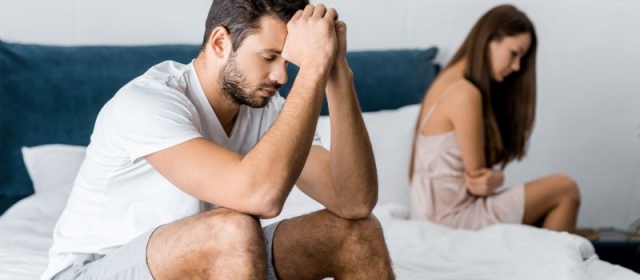
Premature ejaculation (PE) is a common sexual issue in men, informally defined as ejaculation that happens sooner than desired – often within a minute of penetration. The causes of PE are not fully understood, but they may be linked to both psychological and biological factors. Some men with PE experience high anxiety or depression, while others may have an overactive ejaculatory reflex or genetic predisposition towards early ejaculation.

Vestibulodynia is a chronic pain condition affecting the vulvar vestibule, the sensitive area between the labia minora and the hymen. This condition is often associated with pain during sexual activity, tampon use, or even daily activities such as sitting or wearing tight clothing. It is a localized form of vulvodynia and affects up to one in eight women during their lifetime. While the exact cause of vestibulodynia is unclear, potential factors include hormonal changes, nerve hypersensitivity, inflammation, and muscle tension. Managing this condition requires a tailored, multidisciplinary approach that combines medical, behavioral, and alternative treatments.
Public
Providers
Members Only
Newsletter
ISSM Update
Sign up here to receive ISSM Updates and stay informed about sexual medicine, ISSM news, events, and more.