


What is adenomyosis? How is it diagnosed and treated?
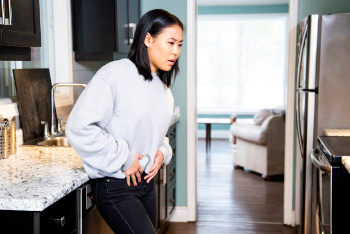
Adenomyosis occurs when tissue that lines the uterus (the endometrium) grows into the muscular uterine wall. Some women with adenomyosis have no symptoms, but others experience:
- chronic pelvic pain
- heavy menstrual bleeding
- longer periods
- severe cramping during periods
- bloating
Adenomyosis is similar to endometriosis, when endometrial tissue grows outside of the uterus and on other pelvic organs like the ovaries. It is possible to have both endometriosis and adenomyosis.
Many women with adenomyosis find that their symptoms get better after menopause.
Scientists aren’t sure what causes adenomyosis; however, certain risk factors have been identified:
- A history of uterine surgery, such as a Cesarean-section birth or removal of uterine fibroids.
- Past childbirth.
- Age. Adenomyosis is more common in women aged 40 to 50, although women of all ages can be affected.
Adenomyosis can be a challenge to diagnose because its symptoms are similar to those of other gynecological conditions, like fibroid tumors, endometrial polyps, and endometriosis.
If adenomyosis is suspected, a doctor will usually conduct a pelvic exam first, checking for pain and for any enlargement of the uterus. (Because the tissue grows inside the uterine wall, the uterus might grow.)
Imaging tests, like ultrasounds and magnetic resonance imaging (MRI) tests may also be done.
Treatment for adenomyosis depends on the severity of symptoms. For some women, taking an anti-inflammatory drug like ibuprofen during periods is all that is needed for pain. Warm baths and heating pads can help, too.
Other women have success with hormonal therapies, like birth control pills, hormone patches, vaginal rings, or an IUD with progesterone.
Severe cases of adenomyosis may require a hysterectomy (surgical removal of the uterus.) Women who would still like to have children might consider a uterine artery embolization procedure, which uses small particles to stop the blood flow that fuels the adenomyosis tissue.
Resources
- EverydayHealth
Levine, Beth
“Adenomyosis: Symptoms, Diagnosis, Causes, and Treatments”
(Last updated: April 9, 2019)
https://www.everydayhealth.com/endometriosis/adenomyosis-symptoms-diagnosis-treatments/
- Mayo Clinic
“Adenomyosis”
(June 8, 2018)
https://www.mayoclinic.org/diseases-conditions/adenomyosis/symptoms-causes/syc-20369138
- MedlinePlus
“Adenomyosis”
(Reviewed: April 19, 2018)
https://medlineplus.gov/ency/article/001513.htm
- WebMD
“What Is Adenomyosis?”
(Reviewed: December 3, 2018)
https://www.webmd.com/women/guide/adenomyosis-symptoms-causes-treatments#1
Popular Women's Sexual Health Questions
Public
Providers
Members Only
Newsletter
ISSM Update
Sign up here to receive ISSM Updates and stay informed about sexual medicine, ISSM news, events, and more.