All News
Upcoming Events
In this podcast episode, host Estela Citrin speaks with Michelle Sampaio from Brazil about performance anxiety and erectile dysfunction. Together, they discuss how anxiety can interfere with erections by activating the body’s fight-or-flight response and making it difficult to relax and remain present during sexual activity. The conversation explores how social media, pornography, and cultural expectations around masculinity can create unrealistic ideas about sexual performance and contribute to anxiety. Michelle also explains that normal fluctuations in erections are often mistakenly viewed as erectile dysfunction and emphasizes that sexual intimacy does not need to focus solely on penetration. They discuss how psychotherapy, sexual education, and open communication between partners can help challenge negative thoughts, reduce performance pressure, and create more realistic expectations around sexuality. This episode highlights the importance of understanding the psychological and cultural factors behind performance anxiety and encourages a more relaxed, communicative, and pleasure-focused approach to sexual well-being.
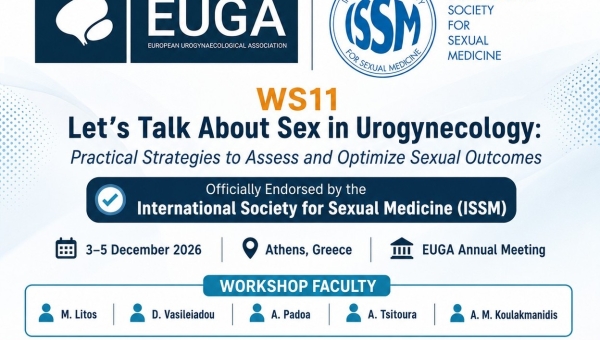
You're Invited to Athens!
Let's Talk About Sex in Urogynecology: Practical Strategies to Assess and Optimize Sexual Outcomes
The International Society for Sexual Medicine (ISSM) is proud to endorse this interactive workshop at the 19th EUGA Annual Meeting, taking place in Athens, Greece, on 3–5 December 2026.
Join us for a practical, multidisciplinary session dedicated to one of the most important—and too often overlooked—aspects of women's pelvic floor care: sexual function.
Designed for urogynecologists, gynecologists, urologists, pelvic floor physiotherapists and all healthcare professionals involved in women's health, this workshop will provide practical, evidence-based strategies to help clinicians confidently assess, discuss and optimize sexual outcomes in women with pelvic floor disorders.
Together, we will explore:
- The impact of ageing, menopause and GSM on female sexual function
- How pelvic organ prolapse and urinary incontinence affect intimacy and quality of life
- Practical approaches to taking a sexual history in everyday clinical practice
- The effects of conservative and surgical treatments on sexual outcomes
- Strategies to further optimize sexual function through hormonal, psychological and multidisciplinary care
Through expert-led presentations, real clinical cases and interactive discussion, participants will leave with practical tools that can be immediately implemented in daily practice.
Workshop Faculty
- Dr. Michail Litos
- Dr. Dimitra Vasileiadou
- Dr. Anna Padoa
- Dr. Anastasia Tsitoura
- Dr. Aristotelis-Marios Koulakmanidis
19th EUGA Annual Meeting Athens, Greece 3–5 December 2026
We look forward to welcoming you to Athens for what promises to be an engaging and highly practical workshop, bringing together expertise in urogynecology and sexual medicine to improve the care of women worldwide.
Learn more: https://www.eugacongress.org/workshops26
Background
Premature ejaculation (PE) is one of the more common male sexual dysfunctions, with an average prevalence of around 14.9% worldwide. The International Society for Sexual Medicine (ISSM) characterizes PE by a short intravaginal latency time, a consistent inability to delay ejaculation, and personal complications or distress.
The Global Outreach Committee is pleased to recognize five exceptional projects as recipients of the 2026 Global Outreach Grant. Selected from a strong and competitive group of applications, these initiatives stood out for their potential to contribute meaningfully to sexual health education and care in underserved communities worldwide. The five applications were selected with the aim of ensuring broad coverage in terms of geography, type of activity, target audience, reach, impact, and subject area.
The awarded projects are:
1. Identifying Priority Topics for Transcultural Sexual Health Education: A Multinational Needs Assessment
By Beatrice Cuzin
This project will be conducted in Kenya, Lebanon, Senegal, and Tunisia. Through structured questionnaires among healthcare professionals, the project aims to identify priority topics for transcultural sexual health education. The outcomes will be used to develop shared educational tools and support a digital platform tailored to local needs and cultural contexts.
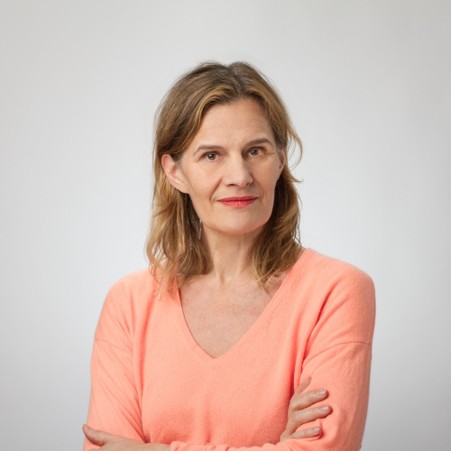 |
"Receiving the ISSM Global Outreach Grant is a true honor for me, as coordinator, for all members of the group and a real opportunity to explore this topic that is so important to all of us. This project will be conducted in four countries: Kenya, Lebanon, Senegal, and Tunisia, to identify priority topics for Transcultural Sexual Health Education The gap between cultural norms and actual practices will be studied in four countries selected for their complementary cultural contexts, which may help provide answers to the following question: “Are sexual health priorities among youth converging globally or remaining culturally distinct?” and finally It will help professionals monitor these changes through the development of shared and accessible tools and contribute to improvement of Sexual Health Education" |
2. Hybrid Structured Capacity Strengthening in Sexual Medicine for Healthcare Professionals in Africa and Youth Social Media Communications Bootcamp for World Sexual Health Day 2026
By Prof. Tammary Rotich
This project combines sexual medicine training for African healthcare professionals with a youth-focused social media communications bootcamp. It aims to strengthen clinical knowledge and counseling skills among healthcare providers while also supporting young social media champions in sharing accurate, culturally relevant sexual health information across Africa.
 |
"This 12-month initiative which will addresses critical gaps in sexual health training and public awareness across Africa through a dual approach. It will deliver hybrid capacity-building training to 30–80 African healthcare professionals (HCPs) in clinical sexology, assessment, evidence-based counseling, and culturally sensitive care via online modules, assessments, and a regional masterclass in Nairobi. Concurrently, 25 young social media champions (aged 18–35) will participate in a virtual bootcamp and mentorship program focused on digital storytelling, content creation, campaign strategy, and stigma reduction, culminating in a pan-African awareness campaign targeting over 500,000 impressions for World Sexual Health Day 2027. Expected outcomes include enhanced HCP competence (≥40% increase in sex therapy/counseling confidence), sustainable networks via ASSM and Project ECHO, open-access toolkits, and strengthened advocacy, aligning with ISSM’s mission to expand sexual medicine in low- and middle-income regions". |
3. SAFE-Teen: Structured Adolescent & Fertility Education for Teenage Boys in Urban & Semi-Urban India
By Parth Manek
This initiative focuses on improving sexual and reproductive health literacy among adolescent boys aged 13 to 19 in urban and semi-urban India. Through interactive workshops in schools and community settings, the project will address puberty, hygiene, myths, STIs, and early recognition of urological conditions, while also training teachers and primary care providers to support long-term impact.
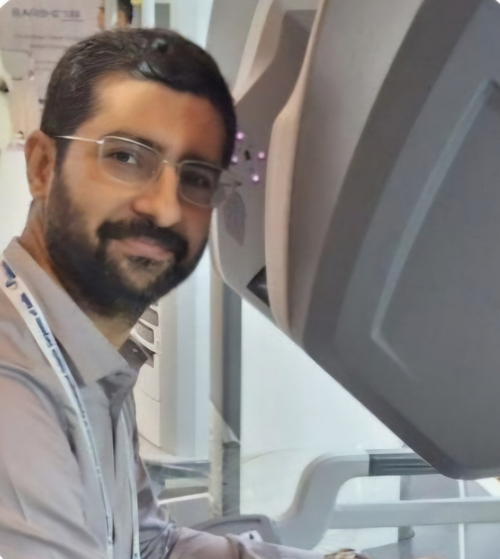 |
"Receiving the ISSM Global Outreach Grant is an incredible honour and a profound responsibility. It reflects a shared belief that every adolescent deserves access to accurate, evidence-based sexual and reproductive health education. Through SAFE-Teen, I hope to empower young boys with knowledge, break longstanding stigma, and help build a future where conversations about sexual health are informed, respectful, and free of shame". |
4. Bilingual (Portuguese and Spanish) Microlearning Educational Program on Female Sexual Dysfunction for Early-Career Physicians in Brazil and Latin America
By Eduardo Miranda
This 12-month project will develop a bilingual Portuguese and Spanish microlearning program on female sexual dysfunction for early-career physicians in Brazil and Latin America. The program will include short videos, clinical algorithms, patient handouts, webinars, and case discussions to improve knowledge, confidence, and practical readiness in routine care.
 |
"This project and the ISSM Global Outreach Grant represent a meaningful opportunity for SLAMS to expand access to practical, culturally adapted sexual medicine education across Latin America. More than an individual initiative, this is the result of a truly collaborative effort involving colleagues from different specialties — Dr. Estela Citrin, Dr. Michelle Sampaio, Dr. Lucas Campos, Dr. Luis Felipe Savio, and our broader SLAMS team. Together, we hope to empower early-career physicians to address female sexual dysfunction with greater knowledge, confidence, and sensitivity, while also positively impacting patients by providing clearer information, reducing stigma, and improving access to compassionate, evidence-based sexual health care". |
5. I Central Asian Meeting of Sexual Medicine & ESSM Summer School
By Daniar Osmonov
Taking place in Kyrgyzstan, this project supports the first Central Asian Meeting of Sexual Medicine and ESSM Summer School. The meeting will bring together regional and international experts to strengthen sexual medicine education, professional exchange, and collaboration across Central Asia, with a focus on improving access to high-quality training for local healthcare professionals.
 |
“I am honored to receive the ISSM Global Outreach Grant. It will contribute to the organization of the First Summer School of Sexual Medicine in Bishkek, developed in collaboration with ESSM and scheduled for July 2026". |
We look forward to following the progress of these inspiring projects over the coming year and sharing their outcomes as they contribute to advancing global sexual health.
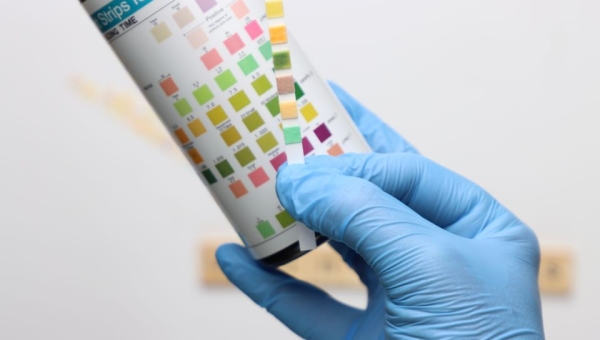
Mycoplasma and Ureaplasma are types of bacteria that are unique because they don’t have a cell wall. This lack of a cell wall makes them very transmissible and resistant to all but three types of antibiotics. They exist in any mucus-prone areas, like the throat, nose, or genitalia. In fact, this bacterium exists naturally in the genital tract, but four different strains could cause infection:

Women’s sexual function involves a variety of factors, including sociocultural influences, partnership dynamics, medical conditions, and surgical trauma. Sexual dysfunction includes arousal and libido (sex drive) difficulties, vaginal dryness, vaginal and vulvar pain, and pain with sex (among others). Women report sexual dysfunction to their healthcare providers approximately 38-64% of the time, which is more often than men.

Obituary
With the passing of Dr. Sudhakar Krishnamurti on 2nd April, 2026, India lost one of her pioneers in the field of andrology.
Dr. Sudhakar Krishnamurti was born 9n 22nd July, 1957, and had his medical education in Mumbai. He had a brilliant academic career, which included a gold medal with distinction in Pathology. After completing his M.S. in General Surgery, he relocated to the city of Hyderabad, where he set up Andromeda Andrology Center, India's first exclusive center for managing andrological problems.
Dr. Krishnamurti pioneered numerous techniques for the diagnosis and management of men with sexual dysfunction or infertility in India, including the first microsurgical penile revascularization. Dr. Krishnamurti is best known for the development of the Krishnamurti preputial flap for the treatment of Peyronie's disease. This was a pedicled flap of the derm-abraded distal preputial skin, which was used to fill the defect left after the incision/excision of plaques of Peyronie's disease. The obvious advantage of a flap over a graft caught the attention of the world community of andrologists, and for this work he was awarded the prestigious Herbert Newman Award at the sixth World Impotence Meeting in Singapore in 1994. Subsequently, he was invited to countries all across the world to lecture on, and demonstrate, this technique.
Dr. Sudhakar Krishnamurti was a flag bearer of Indian andrology on the international scene. He was a member of the first three international consultations on erectile dysfunction. He was a co-author in two editions of the Handbook on Erectile Dysfunction and of chapters in the ISSM Standards Committees Textbook of Sexual Medicine. He was also a member of the first ESSM Sexual Medicine Program in 2007.
Dr. Sudhakar Krishnamurti has been a highly active academic, clinician, and leader in the field of sexual medicine. He has served on the editorial boards of several leading international journals, including the International Journal of Impotence Research, The Journal of Sexual Medicine, the Asian Journal of Andrology, World Journal of Urology, and Fertility Today.
Within the International Society for Sexual Medicine (ISSM), Dr. Krishnamurti contributed extensively through service on several key committees, including the Awards and Prizes, Standard, Finance, Communication, Education, and Ad Hoc Circumcision Technique Committees. He also contributed chapters to the ISSM Standards Committee's Textbook of Sexual Medicine and authored numerous scientific publications, international consultation reports, textbook chapters, and papers on surgical standards and procedures.
His leadership in the Asia Pacific Society for Sexual Medicine (APSSM) was equally significant. As an Executive Committee Member, Chairman of the Audits Committee, and member of the Research & Scientific, Advisory, and Development Committees, he played a major role in advancing sexual medicine across the Asia-Pacific region. He also served as Organizing Chairman of the APSSM–AGASSI Conference and contributed to the organization of major scientific meetings.
Internationally, Dr. Krishnamurti was a Visiting Fellow at the University of Nanjing and was among the first cohort of physicians enrolled in the European Society for Sexual Medicine (ESSM) Fellowship programme (FEASM), reflecting his longstanding commitment to education, research, and professional excellence in sexual medicine.
He was the recepient of numerous awards and prizes, including the Innovation Award and the State-of-the-Art Oration from the Urological Society of India, and he featured in the Limca Book of Records.
Dr. Krishnamurti was also very active in public education and wrote a popular book called "Sex is Not a Four-Letter Word." He was a writer and columnist for numerous newspapers, magazines, and health portals, including his own award-winning website, www.andrology.com, which won nine international awards.
Dr. Sudhakar Krishnamurti was a very versatile person and a warm friend. He spoke five Indian languages, was fond of music and was a good percussionist. He was a great mixologist, and the bar at his house was described by his friends as more of a chemistry lab than a bar. He was fond of the finer things of life and was a very gracious host. He loved children and was wonderful with them.
In his later years, illness limited his activities and academic participation, and with his passing we have lost one of the dedicated pioneers in the field of sexual medicine and male infertility In India.
 (1200 x 680 px) (1)_medium.png)
IN MEMORIAM
Rosemary Basson, MB BS, MRCP, FRCP
3 April 1948 – 27 April 2026
The field of sexual medicine mourns the loss of Dr. Rosemary Basson, Clinical Professor of Psychiatry at the University of British Columbia and Founding Director of the UBC Program in Sexual Medicine. Dr. Basson died on 27 April 2026 at age 78, leaving an extraordinary legacy as one of the most influential thinkers in contemporary sexual health.
Born in England, Dr. Basson graduated with honours from the University of London in 1971 and became a Member -and later Fellow- of the Royal College of Physicians. After emigrating to Canada, she practiced family medicine at Lions Gate Hospital (1974–1988) before joining UBC Psychiatry, where she rose to Clinical Professor and established the UBC Program in Sexual Medicine, directing it until her retirement in 2020. Under her leadership, the programme became a leading centre for clinical training and research, educating generations of physicians across psychiatry, obstetrics and gynaecology, and family medicine.
Her most enduring contribution was the reconceptualization of female sexual response, introducing a circular, context dependent model that reshaped diagnostic criteria, clinical practice, and global understanding of women’s sexual desire. Her scholarship spanned neurological disease, androgens and women’s sexual health, provoked vestibulodynia, mindfulness based interventions, and the interplay of mood, cortisol, and desire. She was invited to contribute to The Lancet’s series on sexual medicine and served on the editorial boards of the Journal of Sexual Medicine, the Journal of Sex and Marital Therapy, the International Journal of Sexual Health, and the Journal of Menopause, among others. She co-chaired the International Consultation on Sexual Medicine in 2003 and again in 2009.
As a mentor, Dr. Basson was generous, thoughtful, and profoundly formative. To the trainees and fellows who worked with her, she was not only a supervisor but a model of compassion, integrity, and scholarly excellence. She will be remembered for her intellect as much as for her humility, kindness, and quiet strength. Despite her international stature, she remained modest and deeply grounded in her values.
Beyond her professional life, Dr. Basson cherished nature, the sea, forests, and animals - especially cats. Her home was a place of warmth, generosity, and laughter. She was a deeply loving mother and grandmother who cherished her family above all else.
Rosemary Basson will be remembered with profound gratitude and love by all whose lives she touched, as one of the most remarkable physicians, researchers, and human beings we have ever known.
Condolences to the family may be sent to
In this podcast episode, host Shelly Varod speaks with Trudy Hannington from the United Kingdom about the importance of integrating medical care and psychotherapy in the treatment of sexual dysfunction. Together, they discuss why a multidisciplinary approach leads to better patient outcomes by addressing both the physical and psychological aspects of sexual health. Trudy explains how collaboration between medical professionals and sex therapists can help identify underlying medical conditions while also supporting patients with relationship concerns, performance anxiety, and emotional well-being. The conversation explores common challenges faced by men with erectile dysfunction and low libido, the role of testosterone assessment, and how medication and psychotherapy can work together to restore confidence and improve sexual function. They also discuss the importance of involving partners in treatment, addressing misconceptions about sexual medicine, and encouraging open communication within relationships. This episode highlights the value of a patient-centered, biopsychosocial approach to sexual dysfunction and offers practical insights for individuals seeking comprehensive, evidence-based care.
_medium.png)
After considerable effort and dedicated collaboration, the International Society for Sexual Medicine (ISSM) is pleased to share the publication of the paper “Systematic Review on the Safety and Effectiveness of Restorative Therapies for Erectile Dysfunction” in The Journal of Sexual Medicine.
This publication represents a valuable contribution to the field of sexual medicine by synthesizing the available evidence on restorative and regenerative interventions, an area of growing interest and ongoing scientific development.
ISSM extends special thanks to Taylor Kohn, 1st author, and Don Lee for their leadership and contributions in bringing the manuscript to publication.
ISSM also acknowledges the contributions of the SR subcommittee members: Ahmed El-Sakka, Egypt; Fernando Facio, Brazil; Irwin Goldstein, USA; Guiting Lin, USA; Juan Ignacio Martinez Salamanca, Spain; Du Geon Moon, Korea; Kwangsung Park, Korea; Omer Raheem, USA; and Vaibhav Vishal, India.

Background
Postorgasmic illness syndrome (POIS) is a poorly defined clinical condition that presents primarily in men with a host of flu-like, somatic, and cognitive symptoms shortly after ejaculation. These symptoms may last for up to a week after ejaculation, significantly impacting quality of life and potentially deterring people from wanting to have sex.
Public
Providers
Members Only
Newsletter
ISSM Update
Sign up here to receive ISSM Updates and stay informed about sexual medicine, ISSM news, events, and more.