All News
Upcoming Events
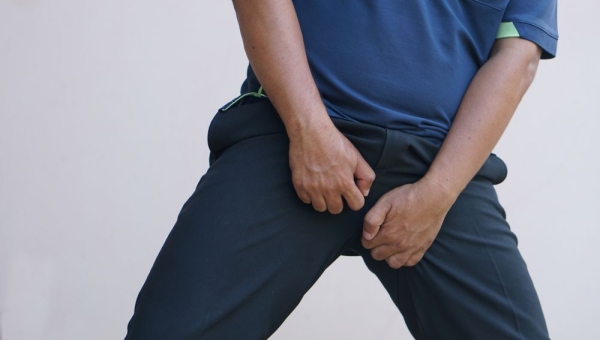
Skin irritation on the penis or vulva may be a cause for concern for many individuals. Itching, burning, mysterious rashes or bumps, and abnormal discharge can ring alarm bells for sexually transmitted infections (STIs). However, this is not always the case. Certain fungal infections and other dermal (skin) conditions may be the cause.

Testosterone therapy (TT) is usually prescribed to men who are testosterone deficient. It is used to bring testosterone levels back to a normal range. Women may be prescribed TT more often these days. Usually, this is to treat hypoactive sexual desire disorder (HSDD) in postmenopausal women. In this case, they may be experiencing long periods of low libido (sexual desire)including:
Voting is open for the 2026 ISSM Board of Directors election.
All ISSM Full Members in good standing are invited to cast their votes electronically. Eligible voters are active 2026 members with no outstanding balance as of August 2, 2026.
This year, members will elect a President-Elect, Treasurer, and three Members-at-Large.
For President-Elect and Treasurer, one candidate has been nominated for each position. Members may support the candidate or submit a blank vote.
For the three Member-at-Large positions, five candidates are standing for election. Members may vote for up to three candidates and do not need to use all three votes.
The ballot includes candidates nominated by the ISSM Nominating Committee as well as candidates who qualified through the self-nomination process.
Voting is open until Monday, September 28, 2026, at 11:30 AM CEST / 09:30 UTC / 2:30 AM PDT, 90 minutes before the start of the ISSM Business Meeting.
Meet the candidates
Learn more about the candidates standing for election, including their backgrounds and candidate information, on the ISSM Board of Directors Election 2026 page.
Election results
The elected candidates will be announced during the ISSM Annual Business Meeting, taking place virtually via Zoom on Monday, September 28, 2026, at 11:00 UTC / 4:00 AM PDT view in your time zone.
The agenda and related documents are available in the members-only section of the ISSM website (login required).
Make sure to register for the ISSM Business Meeting to hear the election results.
For any further information or questions, please contact the ISSM Executive Office by phone at +31 75 647 63 72 or by email at

ISSM is inviting members to apply for committee membership for the 2027–2028 term.
Our committees rely on members who volunteer their time, knowledge, and expertise to support ISSM’s mission and help advance the field of sexual medicine. Committee membership is also an opportunity to collaborate with colleagues from around the world, expand your professional network, and become more actively involved in the Society.
Applications are open until October 19, 2026, at 11:59 PM CST.
Why join an ISSM committee?
Committee membership offers the opportunity to:
- Gain greater recognition within the Society.
- Work as part of an international team and expand your global network.
- Build lasting professional and personal relationships.
- Enrich your ISSM membership experience and contribute to the field of sexual medicine in a new and rewarding way.
Which committees can I join?
Applications are currently open for:
- Conflict of Interest Committee
- Communication Committee
- Education Committee
- Ethics Committee
- Finance & Audit Committee
- Global Outreach Committee
- Grants & Prizes Committee
- History Committee
- Membership Committee
- Publication Committee
- Young Researchers Committee
- NEW – Corporate Handling, Investment, Partnership and Strategy Committee
- NEW – ISSM University Committee
- NEW – Scientific Research and Standards Reporting Committee
Full descriptions and requirements for all committees can be found here.
Who can apply?
Committee membership is open to professionals with an interest in human sexual medicine and science who currently hold active ISSM membership.
Applicants should have interests and skills that match the purpose and responsibilities of their chosen committee, be able to attend meetings and contribute to committee activities, and be enthusiastic about working within international and cross-cultural teams.
Previous volunteer experience with ISSM or an affiliated/related society committee is beneficial but not required.
Ready to get involved?
The committee term runs for two years, from January 1, 2027, through December 31, 2028.
If you are interested in contributing your expertise and becoming more involved in ISSM, we encourage you to submit your application.
Application deadline: October 19, 2026, at 11:59 PM CST.
Background
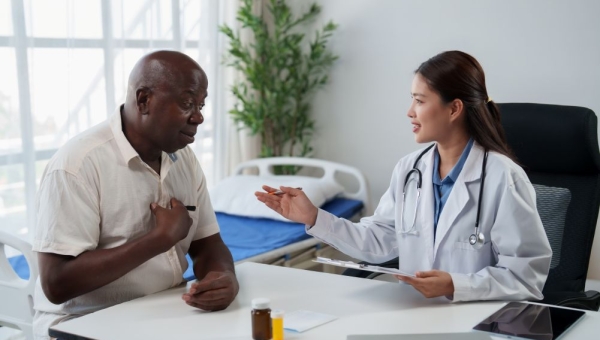
Low testosterone and testosterone deficiency are usually treated with testosterone therapy. But for those who wish to preserve their fertility or may not tolerate testosterone therapy, SERMs are available. Selective estrogen receptor modulators (SERMs), including clomiphene citrate (CC), can increase gonadotropin and testosterone levels in men and have been in use as early as the 1960s.
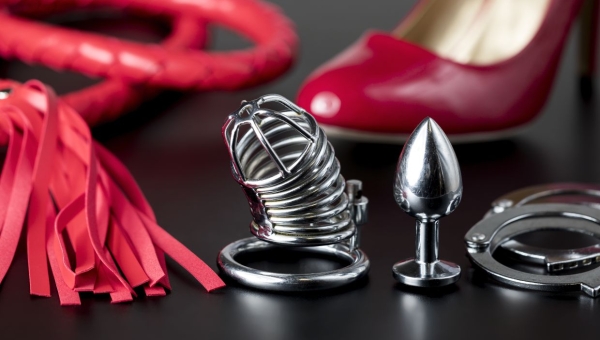
BDSM has become more common in popular culture in recent years and may seem intimidating. However, bondage-discipline, dominance-submission, sadism, and masochism (BDSM) is a sexual practice that can involve sex toys and other devices. Often, this involves a “dominant” partner and a “submissive” partner. BDSM is less about pain and more about exploring power dynamics and sexuality in a mutually pleasurable and consensual way.
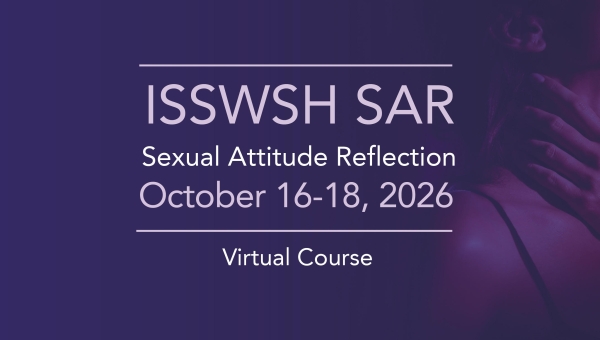
This October 16-18, our afiliated society, ISSWSH, will host the virtual Sexual Attitude Reflection Course, and we invite you to register and participate.
Patients may not arrive with straightforward questions, and conversations about sexual health can be complex. Many healthcare professionals have limited formal training in discussing topics that involve personal experiences, cultural perspectives, relationships, or identity.
The ISSWSH Sexuality Attitudes Reflection (SAR) Virtual Course provides a supportive learning environment where healthcare professionals from around the world can examine these topics together and strengthen their approach to patient communication.
During the course, participants will:
- Discuss a wide range of topics that may arise in sexual healthcare.
- Examine how personal experiences, cultural backgrounds, and professional training can influence clinical interactions.
- Learn alongside an interdisciplinary group of healthcare professionals.
- Participate in facilitated small-group discussions and experiential learning activities.
- Develop practical communication skills that support respectful, patient-centered care.
- Earn continuing medical education (CME) credit.
What makes the SAR Course unique?
- An interactive educational experience that encourages discussion, reflection, and professional growth.
- A confidential setting designed to support open dialogue and shared learning.
- An opportunity to learn from colleagues with diverse clinical backgrounds and perspectives.
Join colleagues from around the world for the first fully virtual ISSWSH SAR Course.
Click here to watch a video that explains more about what a SAR Course is.
View the program for the SAR course here.

New parents may experience a variety of mental health issues during the postpartum period. Childbirth-related posttraumatic stress disorder (CB-PTSD), depression, and general well-being can contribute to sexual dysfunction.
Public
Providers
Members Only
Newsletter
ISSM Update
Sign up here to receive ISSM Updates and stay informed about sexual medicine, ISSM news, events, and more.