





Are All Genital Skin Irritations Because of STIs?
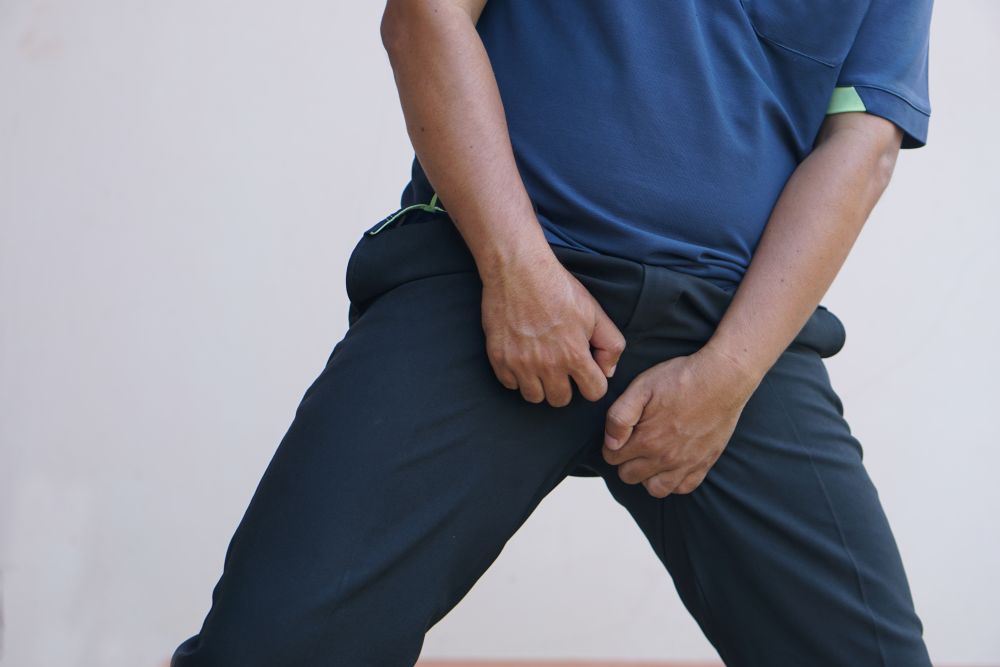
Skin irritation on the penis or vulva may be a cause for concern for many individuals. Itching, burning, mysterious rashes or bumps, and abnormal discharge can ring alarm bells for sexually transmitted infections (STIs). However, this is not always the case. Certain fungal infections and other dermal (skin) conditions may be the cause.
Contact Dermatitis
Vulvar and penile contact dermatitis occur because the genital skin can be sensitive to irritation. Contact dermatitis is the result of skin damage from friction, chemicals, or an allergic reaction. It may present as a rash, itchiness, scaliness, or small red bumps called papules. These papules are not contagious, but they may look like an STI upon first glance.
It may be useful to avoid fragrant soaps, douches, moisturizers and lubricants, and other cleansers. One may also want to be cautious when using scented toilet paper, sanitary pads or incontinence diapers, hemorrhoid creams, topical medications, and some plant-based products (aloe, chamomile, etc.).
Vulvovaginal candidiasis (vaginal yeast infections) and candidiasis balanitis (penile yeast infection) are fungal infections that can cause itchiness on the vulva or under the foreskin. They may also come with thick, white discharge that is sometimes described as cottage cheese-like. Yeast infections could be the result of scented or harsh soaps and lubes. They can also be more common in those with diabetes or poor hygiene.
STIs like chlamydia and gonorrhea can also cause burning, itching, and unusual discharge. Symptoms alone may not be enough to tell the difference, so testing may be needed. For women, bacterial vaginosis (BV) is most often confused with yeast infections. However, BV is caused by a bacterial imbalance, rather than a fungus.
Jock Itch
Tinea cruris, or jock itch, is a fungal infection that commonly affects athletes. Active people tend to sweat more often, leading to long periods of moisture. This fungus affects the pubic hair and skin, creating a rash across the genital area with flaky, peeling, or cracked skin.
To avoid jock itch, it may be beneficial to shower right after physical activity and wear loose clothing whenever possible. If athlete's foot is also present, avoid using the same towel on feet and groin because the fungus can spread.
Lichen Sclerosus
Lichen sclerosus (LS) is a chronic inflammatory condition that can cause repeated scarring. It mostly affects prepubescents, postmenopausal women, and older men. LS may be the result of surgery, genital piercings, or physical trauma to the area, although there is not much research in this area.
In women, LS can cause the labia to be reabsorbed and fused, with the clitoris trapped underneath scar tissue. The vagina may also narrow.
In men, LS can cause scarring and tightening of the foreskin. This may make it difficult or impossible to pull the foreskin back over the head of the penis (phimosis). The penis head (glans) may develop an open and painful sore.
Molluscum Contagiosum
The molluscum contagiosum virus (MCV) causes small, pearly, painless skin bumps. The bumps may look similar to those caused by the human papillomavirus (HPV/genital warts) and genital herpes. While MCV is spread through skin-to-skin contact, including sexual activity, it is not considered an STI. Avoid scratching or rubbing the bumps, and do not share towels or other personal items that touch the affected skin.
Honorable Mentions
Other causes for genital skin irritation may be less serious and much more common:
- Razor burn or ingrown pubic hair
- Eczema: patches of dry, red, itchy skin all over the body
- Psoriasis: patches of scaly, itchy, dry skin all over the body
- Genitourinary syndrome of menopause (GSM): Low estrogen levels can make the vulvar skin thinner and drier. This can cause burning, itching, and irritation.
Key Takeaways
- Genital itching, bumps, rashes, or irritation do not always equal an STI.
- Fungal infections, allergic reactions, chronic skin conditions, and other common problems can cause similar symptoms.
- It can be difficult to tell these conditions apart based only on symptoms.
- New or concerning irritation and changes in the genitals are cause for concern regardless of STI presence. It is important to speak with a sexual health professional for treatment and pain relief.
Resources:
- Corazza, M., Toni, G., Zedde, P., Schettini, N., & Borghi, A. (2021). Contact dermatitis of the vulva. Allergies, 1(4), 206–215. MDPI. https://doi.org/10.3390/allergies1040019
- Fistarol, S. K., & Itin, P. H. (2012). Diagnosis and treatment of lichen sclerosus. American Journal of Clinical Dermatology, 14, 27–47. PubMed Central. https://doi.org/10.1007/s40257-012-0006-4
- Jeanmonod, R., Chippa, V., & Jeanmonod, D. (2024). Vaginal candidiasis. In StatPearls [Internet]. StatPearls Publishing. https://www.ncbi.nlm.nih.gov/books/NBK459317/
- Jindal, R. (2025). Genital contact dermatitis. Indian Journal of Skin Allergy, 4(1), 43–51. https://doi.org/10.25259/ijsa_56_2024
- Meza-Romero, R., Navarrete-Dechent, C., & Downey, C. (2019). Molluscum contagiosum: An update and review of new perspectives in etiology, diagnosis, and treatment. Clinical, Cosmetic and Investigational Dermatology, Volume 12, 373–381. PubMed Central. https://doi.org/10.2147/ccid.s187224
- Pippin, M. M., Madden, M. L., & Das, M. (2023). Tinea cruris. In StatPearls [Internet]. StatPearls Publishing. https://www.ncbi.nlm.nih.gov/books/NBK554602/
- Raef, H. S., & Elmariah, S. B. (2021). Vulvar pruritus: A review of clinical associations, pathophysiology and therapeutic management. Frontiers in Medicine, 8, 649402. PubMed Central. https://doi.org/10.3389/fmed.2021.649402
- Wray, A. A., Velasquez, J., & Leslie, S. W. (2024). Balanitis. In StatPearls [Internet]. StatPearls Publishing. https://www.ncbi.nlm.nih.gov/books/NBK537143/
Popular Women's Sexual Health Questions
Popular Sexually Transmitted Infections/Diseases (STIs/STDs) Questions
Popular Men's Sexual Health Questions
Public
Providers
Members Only
Newsletter
ISSM Update
Sign up here to receive ISSM Updates and stay informed about sexual medicine, ISSM news, events, and more.