Research Summaries
Upcoming Events

- Sexual Health Topics: Women’s Sexual Health
Background
Peri-orgasmic fluid (POF) encompasses vaginal lubrication, squirting, female ejaculation (FE), and urine from coital incontinence (CI). These all occur naturally but have different biochemical compositions.

- Sexual Health Topics: Men’s Sexual Health, Cancer & Sexual Health (Oncosexology)
Background
Klinefelter syndrome (KF) is a genetic condition in which men have an extra X chromosome. Affecting between 1 in 500 and 1 in 1000 men, KF can cause differences in sex hormones that affect sexual function and fertility. In addition to these complications, KF may also cause metabolic syndrome, osteoporosis, hair and muscle mass loss, and breast enlargement.

Background
Vulvodynia is a chronic vulvar pain disorder of unknown cause, and can be persistent or provoked (with penetration, tampons, pelvic exams, etc.), beginning at any age. Typically, vulvodynia is diagnosed when symptoms occur in the absence of known infections, dermatological conditions, and neurological disorders.
- Sexual Health Topics: Men’s Sexual Health, Sexual Health Management & Treatments
Background
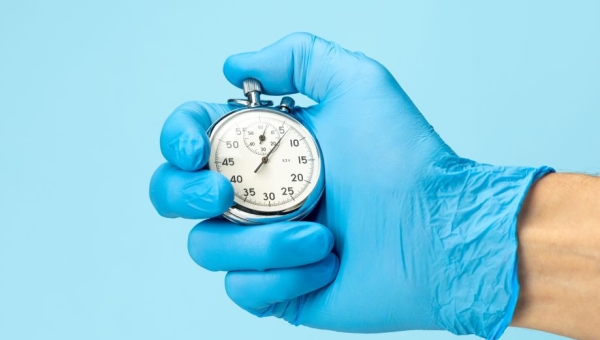
Priapism is defined as persistent or prolonged erection occurring with or without sexual stimulation. Ischemic priapism (priapism with little to no blood flow) accounts for roughly 95% of all priapism cases – a urological emergency requiring very quick management to avoid tissue death.

- Sexual Health Topics: Men’s Sexual Health
Background
Premature ejaculation (PE) is a sexual dysfunction that affects roughly 5-15% of men globally, of which definitions vary, but mostly consist of:

- Sexual Health Topics: Men’s Sexual Health, Women’s Sexual Health, Medications & Sexual Health, Sexual Health Management & Treatments
Background
Post orgasmic illness syndrome (POIS) is a rare and poorly understood condition which is currently characterized as individuals falling ill following orgasm, usually continuing to feel ill for 2-7 days after. Currently, there are fewer than 100 reported cases in existing literature, and those reported have primarily been male patients. POIS has been reported to affect sexual function and satisfaction, making it an interesting new topic in the world of sexual medicine.
Public
Providers
Members Only
Newsletter
ISSM Update
Sign up here to receive ISSM Updates and stay informed about sexual medicine, ISSM news, events, and more.