
All Sexual Health Topics
Upcoming Events
- Sexual Health Topics: Men’s Sexual Health, Women’s Sexual Health, Sexually Transmitted Infections/Diseases (STIs/STDs)
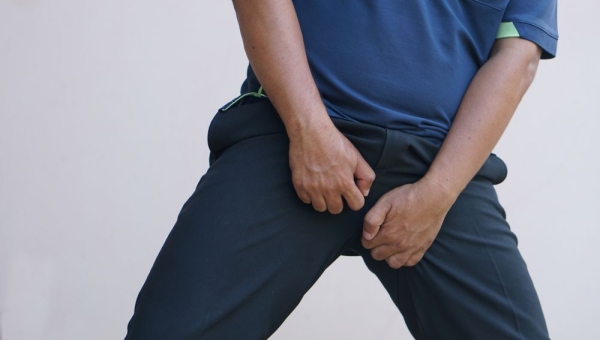
Skin irritation on the penis or vulva may be a cause for concern for many individuals. Itching, burning, mysterious rashes or bumps, and abnormal discharge can ring alarm bells for sexually transmitted infections (STIs). However, this is not always the case. Certain fungal infections and other dermal (skin) conditions may be the cause.
- Sexual Health Topics: Men’s Sexual Health, Mental Health & Psychology, Sexual Health Management & Treatments
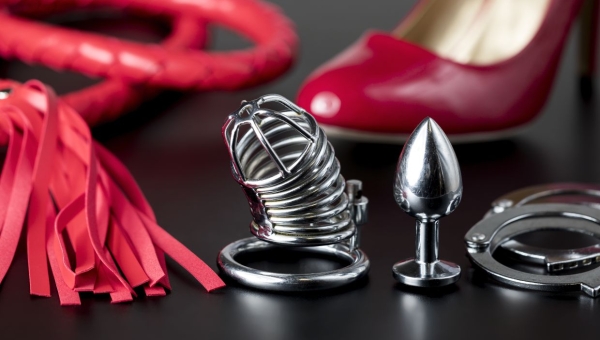
BDSM has become more common in popular culture in recent years and may seem intimidating. However, bondage-discipline, dominance-submission, sadism, and masochism (BDSM) is a sexual practice that can involve sex toys and other devices. Often, this involves a “dominant” partner and a “submissive” partner. BDSM is less about pain and more about exploring power dynamics and sexuality in a mutually pleasurable and consensual way.
- Sexual Health Topics: Men’s Sexual Health, Women’s Sexual Health
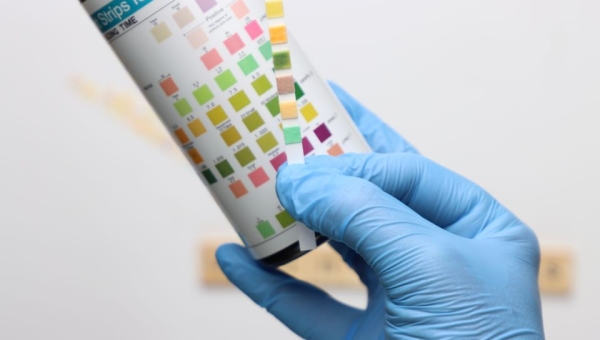
Mycoplasma and Ureaplasma are types of bacteria that are unique because they don’t have a cell wall. This lack of a cell wall makes them very transmissible and resistant to all but three types of antibiotics. They exist in any mucus-prone areas, like the throat, nose, or genitalia. In fact, this bacterium exists naturally in the genital tract, but four different strains could cause infection:

- Sexual Health Topics: Women’s Sexual Health, Sexual Health Management & Treatments
Popular culture tends to promote a specific body type, including the genitalia; the clitoral hood, absence or presence of pubic hair, the size of the upper pubic area, and yes, the labia minora. Pornography and websites like OnlyFans tend to portray the labia minora in a specific manner, based on the most popular videos. While some may view this as a negative and stigmatizing concept, others view it more positively, inviting this virtual “labia library” to help inform people about their bodies.
- Sexual Health Topics: Men’s Sexual Health, Women’s Sexual Health, Medications & Sexual Health, Mental Health & Psychology
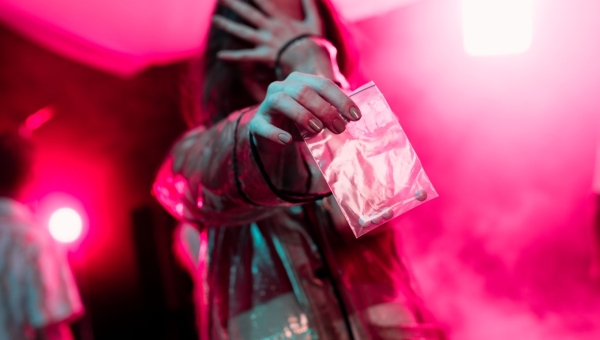
Psychedelic drugs are recreational substances that cause an elevated state of mind, altering perception, enhancing mood, and changing consciousness by changing the way serotonin acts in the brain. Essentially, drugs like magic mushrooms, LSD, and MDMA (molly) can cause hallucinations; commonly known as “tripping” to those who use these substances.
- Sexual Health Topics: Men’s Sexual Health, Women’s Sexual Health
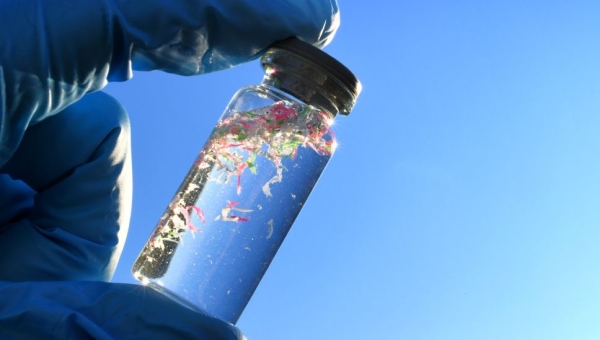
Microplastics are plastic particles under 5mm in size and have been a popular area of concern amongst the general population and many health and wellness experts. Microplastics come from the breakdown of plastic waste that floats through the ocean or is not properly disposed of, leading to the pollution of waterways and breathable air. Most often, this conversation revolves around seafood (including salt), and fruits and vegetables.

- Sexual Health Topics: Men’s Sexual Health, Women’s Sexual Health, Cancer & Sexual Health (Oncosexology)
Colorectal cancer is among the most prevalent cancers globally, affecting the rectum and colon (large intestine). Approximately 1 in 24 men and 1 in 26 women will be diagnosed with colorectal cancer. While most of these cases consist of adults 50 years old and older, cases in younger people are rising by 1-2% every year.
- Sexual Health Topics: Men’s Sexual Health, Women’s Sexual Health
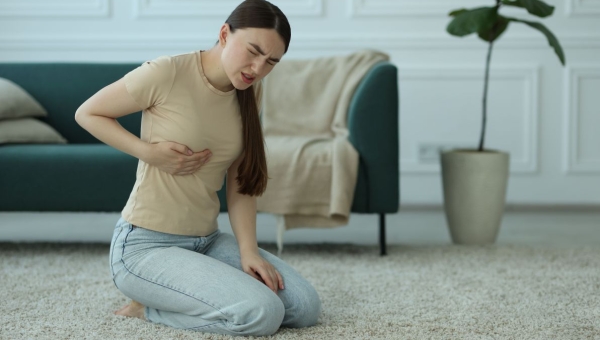
Mondor’s disease happens when a blood clot in a chest, groin, or leg vein causes the vein to harden. This is most common in the outer breast area, and women are more likely than men to experience Mondor’s disease.

- Sexual Health Topics: Women’s Sexual Health, Medications & Sexual Health
“Plan B,” also known as the morning after pill, is a brand name for a type of emergency contraception that comes in the form of a pill. The World Health Organization (WHO) states that emergency contraception can be effective at preventing pregnancy up to 95% of the time when taken within five days following sexual activity.
- Sexual Health Topics: Men’s Sexual Health, Women’s Sexual Health
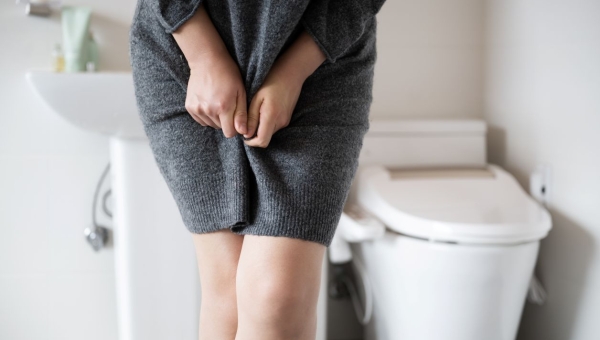
Interstitial cystitis/bladder pain syndrome (IC/BPS) causes chronic pain in the bladder, often leading to a frequent need to urinate, pain while urinating, and constant pain or tenderness in the bladder and pelvic region. IC/BPS is more common in women than men and can affect any person of any age.
- Sexual Health Topics: Women’s Sexual Health
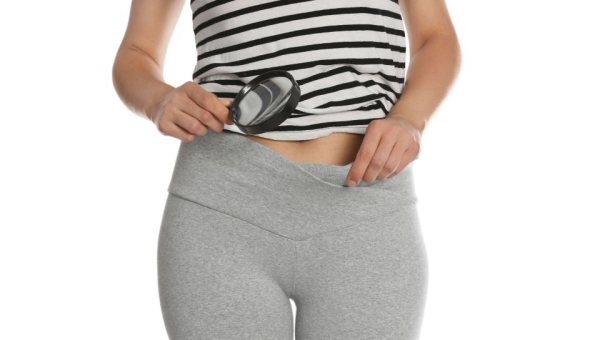
A yeast infection is the overgrowth of the naturally occurring fungal species, candida, and can occur for a variety of reasons. Yeast infections often present in the mouth or vagina, and on occasion can grow under the foreskin of uncircumcised penises. These are quite common in women, with 3 out of 4 reporting at least one yeast infection in their lifetime, usually in women of reproductive age.

- Sexual Health Topics: Men’s Sexual Health, Mental Health & Psychology
Penile dysmorphic disorder (PDD) is a subclassification of body dysmorphic disorder (BDD) and commonly characterized by a severe fixation on the appearance of one’s own penis, usually viewing minor or imagined problems as making it undesirable or “worse” than other penises. This can result in excessive grooming, self-help methods like using vacuums or stretchers, and sometimes going as far as multiple cosmetic surgeries. Additionally, PDD can contribute toward mental health disorders such as depression or anxiety and can even lead to impaired functioning in sexual and everyday situations.
Public
Providers
Members Only
Newsletter
ISSM Update
Sign up here to receive ISSM Updates and stay informed about sexual medicine, ISSM news, events, and more.