

What is Interstitial Cystitis?
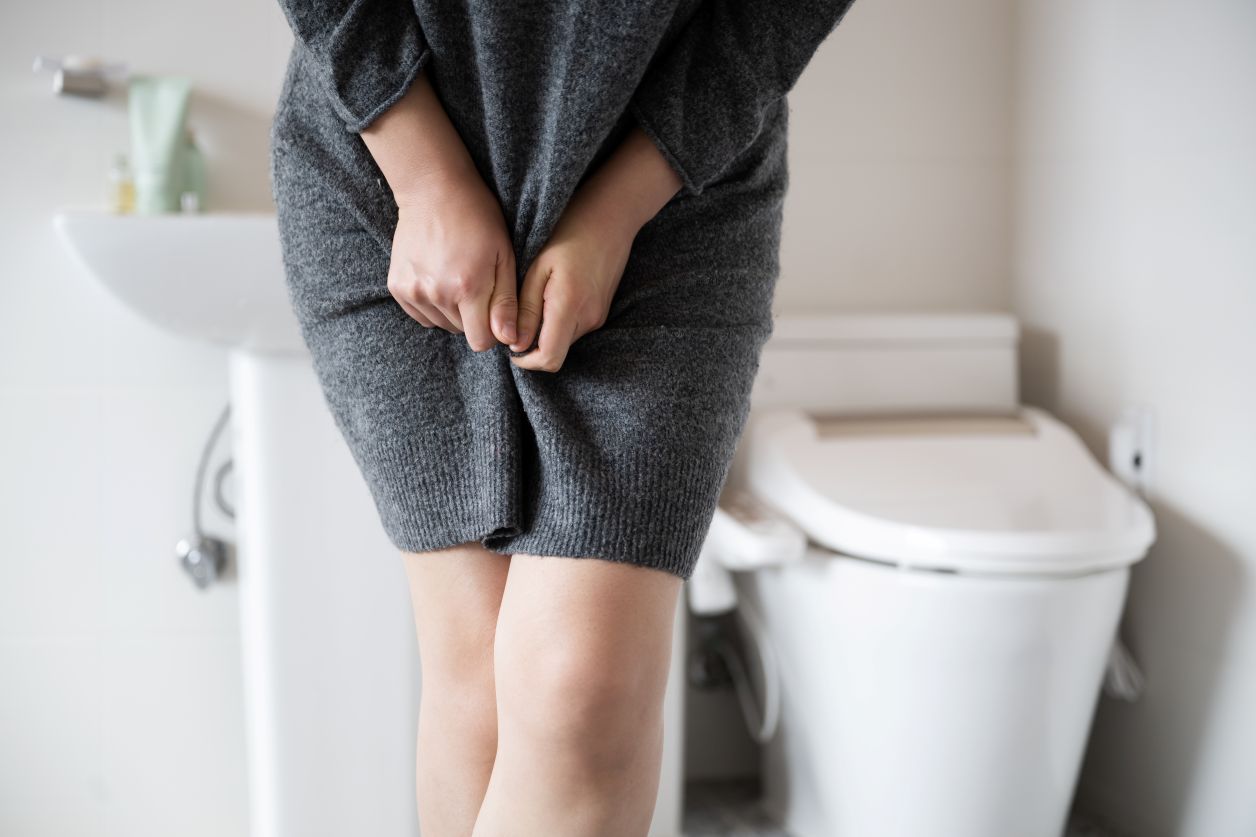
Interstitial cystitis/bladder pain syndrome (IC/BPS) causes chronic pain in the bladder, often leading to a frequent need to urinate, pain while urinating, and constant pain or tenderness in the bladder and pelvic region. IC/BPS is more common in women than men and can affect any person of any age.
While there is no distinct cause, some medical professionals believe it may have roots in autoimmune issues, chronic inflammation, chronic stress, pelvic floor muscle issues, or urethral dysfunction. Some cases of IC/BPS may be caused by ulcers in the bladder lining; however, these cases are less common (5-10% of cases).
Sexual Dysfunction
IC/BPS may result in sexual dysfunction (SD), due to its relation to the pelvic floor muscles, and how close the bladder is to the reproductive system.
In women, SD may present as dyspareunia (pain with sex), vaginal dryness, orgasmic dysfunction, and low sex drive. One study found that around 54% of women with IC/BPS avoided sex with their partner altogether, causing strain on their relationship.
In men, SD primarily presents as erectile dysfunction and ejaculatory dysfunction, but these may lead to issues with sex drive as well. One study cites over 70% of men reporting SD with IC/BPS. This may be associated with more incidences of depression, chronic pain, and chronic stress.
Both men and women may experience pelvic floor muscle dysfunction and can be affected by sleeping disorders (due to urinary frequency and urgency), depression, anxiety, and chronic stress. Mental health issues and lack of sleep may contribute indirectly to SD and low libido (sex drive), furthering SD in these patients and potentially worsening quality of life.
Potentially Confused For….
Many times, IC/BPS may be misdiagnosed as chronic pelvic pain syndrome, prostatitis, overactive bladder syndrome, or it may be diagnosed later than desired. It is important for IC/BPS to be diagnosed properly in order to avoid longer-term quality of life issues and overall discomfort for patients. If you believe you may have been misdiagnosed, it may be beneficial to bring these concerns to your care provider.
Similarities between these diagnoses include:
- Urinary urgency and frequency, but not incontinence,
- Psychosocial depression,
- Negative urine samples (no infections),
- Pelvic floor muscle dysfunction,
- Dietary changes have significant impact on symptoms (worsening or improving),
- Symptoms last for years (though not in every case).
Treatment Options
Currently, the available treatment methods for IC/BPS include oral medication, dietary changes, pelvic floor physical therapy, or surgical procedures.
Certain food items, especially spicy and acidic foods, may make urinary tract symptoms worse over time, thus causing worse IC/BPS symptoms and SD. Some clinicians may recommend dietary changes as a first step, along with pelvic floor physical therapy. With oral medications and surgical procedures as more long-term or invasive options.
The goal of treatment plans is typically to reduce pain and discomfort – as of now there is no way to fully “cure” IC/BPS. It’s important to work with your care provider to come up with the right plan for you.
Key Points
- Interstitial cystitis/bladder pain syndrome is a chronic pain condition that can lead to low quality of life, sexual dysfunction, and more.
- IC/BPS has very similar symptoms to other lower urinary tract diagnoses, such as prostatitis and chronic pelvic pain syndrome.
- It is important to speak with a care provider to ensure your care plan is right for you.
Resources:
- Agrawal, A., Tripathy, S., & Kumar, D. (2020). Sexual dysfunction in women with interstitial cystitis/bladder pain syndrome: A case-control study. Indian Journal of Urology, 36(3), 212. https://doi.org/10.4103/iju.iju_145_20
- Lim Y, Leslie SW, O'Rourke S. Interstitial Cystitis/Bladder Pain Syndrome. [Updated 2024 Oct 7]. In: StatPearls [Internet]. Treasure Island (FL): StatPearls Publishing; 2025 Jan-. Available from: https://www.ncbi.nlm.nih.gov/books/NBK570588/
- Tonyali, S., & Yilmaz, M. (2017). Sexual dysfunction in interstitial cystitis. Current Urology, 11(1), 1–3. https://doi.org/10.1159/000447186
Popular Women's Sexual Health Questions
Popular Men's Sexual Health Questions
Public
Providers
Members Only
Newsletter
ISSM Update
Sign up here to receive ISSM Updates and stay informed about sexual medicine, ISSM news, events, and more.