
All Sexual Health Headlines
Upcoming Events

- Sexual Health Topics: Men’s Sexual Health, Sexual Health Management & Treatments
Peyronie’s disease (PD) is a disorder in the penile tunica albuginea, which is just under the skin of the penis and surrounds the tissue that creates and maintains erections. It can cause penile deformity, namely curvature, and pain, and can negatively impact quality of life. This could be due to curvature severity, loss of length or girth, and even erectile dysfunction (ED). ED is quite common in patients with PD, ranging from 31.5% - 54.4% of patients in existing literature.

- Sexual Health Topics: Men’s Sexual Health, Sexual Health Management & Treatments
Multiple sclerosis (MS) is categorized as a progressive chronic inflammatory disorder that negatively impacts both physical and mental health, with around 2.8 million individuals affected globally. It has been found that sexual dysfunction occurs in males with MS (MwMS) nine times more frequently than with any other neurological disease. In fact, many MwMS see sexual dysfunction as the most detrimental part of their disease, which then negatively impacts other aspects of their health and quality of life. It has been suggested in previous research that a combination of psychological, physical, and social factors may contribute to the onset of sexual dysfunction. Namely, the presence of disability, depression, anxiety, fatigue, and hormonal imbalances can cause erectile dysfunction.
- Sexual Health Topics: Men’s Sexual Health, Medications & Sexual Health
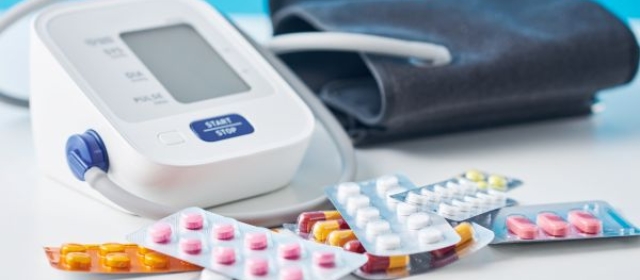
Beta blockers, most commonly used for heart problems and hypertension (low blood pressure), have notoriously been problematic for the erectile function of biological males, often increasing the risk of erectile dysfunction (ED), which is defined as the inability to maintain an erection long enough to engage in a satisfactory sexual experience and is a common issue in male sexual medicine.

- Sexual Health Topics: Women’s Sexual Health, Mental Health & Psychology, Sexual Health Management & Treatments
Provoked vulvodynia is pain felt in the vulva for at least three months without a known cause. This can be triggered by touch or pressure in the vulva, possibly from both sexual and non-sexual stimuli. According to a 2019 study, about 10% of individuals across Europe are affected by provoked vulvodynia, which often results in pain during intercourse.

- Sexual Health Topics: Women’s Sexual Health, Sexual Orientation & LGBTQIA+ Health
Sexual minority women (SMW), including lesbian, bisexual, and queer women, often face more physical and mental health challenges than heterosexual women, such as higher rates of anxiety, depression, and PTSD. They are also less likely to have health insurance and may experience barriers to medical care.

- Sexual Health Topics: Women’s Sexual Health, Mental Health & Psychology
Sexuality is an important part of life, affecting both physical and mental health. Regular sexual activity has been linked to benefits like a lower risk of certain diseases and improved well-being. While studies show that sexual activity is associated with better mental health, research specifically on women remains limited.

- Sexual Health Topics: Men’s Sexual Health, Mental Health & Psychology
Premature ejaculation (PE) is a common sexual issue in men, informally defined as ejaculation that happens sooner than desired – often within a minute of penetration. The causes of PE are not fully understood, but they may be linked to both psychological and biological factors. Some men with PE experience high anxiety or depression, while others may have an overactive ejaculatory reflex or genetic predisposition towards early ejaculation.

- Sexual Health Topics: Women’s Sexual Health
Sexual health is a vital part of overall well-being, yet people with endometriosis often struggle with sexual dysfunction, impacting their quality of life and relationships. Studies show that about 78-80% of individuals with endometriosis experience sexual difficulties, such as pain during intercourse (dyspareunia). Many cope by avoiding intimacy or continuing sexual activity despite discomfort.
- Sexual Health Topics: Sexual Orientation & LGBTQIA+ Health
Puberty suppression (PS) with gonadotropin-releasing hormone agonists (GnRHa) has become a key part of gender-affirming medical treatment (GAMT) for transgender adolescents. This treatment helps delay unwanted sexual characteristics, like facial hair or a deep voice for transfeminine individuals, and it gives them more time to explore their gender identity before undertaking further medical steps. (One such step could be a gender-affirming surgery like a vaginoplasty).

- Sexual Health Topics: Men’s Sexual Health, Sexual Health Management & Treatments
As sexual medicine evolves, non-pharmacologic tools like penile constriction devices (commonly called “cock rings”) offer options to enhance sexual experiences or help with erectile dysfunction (ED). These devices are worn at the base of the penis to improve rigidity and prolong erections by restricting blood flow out of the penis. While such devices have existed for centuries, their use became more mainstream in the 1970s. They’re now available in various materials and designs, some with advanced features like vibration or data tracking.

- Sexual Health Topics: Women’s Sexual Health, Mental Health & Psychology
Vulvodynia is a chronic pain condition affecting the vulva that lasts at least three months and has no clear cause. A common type, localized provoked vulvodynia (LPV), involves pain triggered by contact, such as sitting, wearing tight clothes, or sexual activity. This condition can significantly impact physical and emotional health, relationships, and quality of life. Despite vulvar pain affecting an estimated 10%-28% of women, many do not seek treatment, leading to underreported prevalence.

- Sexual Health Topics: Women’s Sexual Health
Genito-pelvic pain/penetration disorder (GPPPD) is a condition that can cause significant distress, affecting activities like tampon use, gynecological exams, and sexual intercourse. It involves pain, muscle tightness, and anxiety related to vaginal penetration and may lead to reduced sexual desire and emotional challenges like anxiety and depression. Despite its prevalence, diagnosing and treating GPPPD has been difficult due to the lack of effective assessment tools.
Public
Providers
Members Only
Newsletter
ISSM Update
Sign up here to receive ISSM Updates and stay informed about sexual medicine, ISSM news, events, and more.