



What is PrEP? Should I take it?
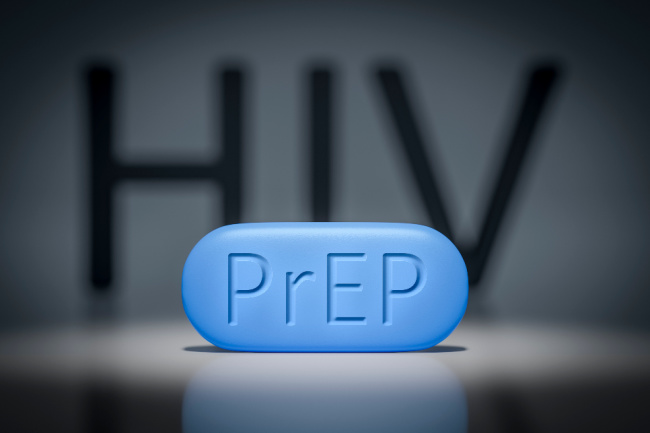
PrEP stands for pre-exposure prophylaxis. It is medicine that helps prevent HIV (human immunodeficiency virus) infection among HIV-negative individuals who have a high exposure risk to HIV through sex or injection drug use.
HIV is a virus that attacks the immune system. Although HIV can be managed with medications, there is no cure. Without treatment, HIV can develop into AIDS (acquired immunodeficiency syndrome).
When taken correctly, PrEP can reduce the risk of HIV infection through sex by approximately 99% and through injected drug use by at least 74% [according to the U.S. Centers for Disease Control and Infection (CDC)]
PrEP should not be confused with PEP (post-exposure prophylaxis). PEP is an emergency medication taken after a person thinks they might have been exposed to HIV.
PrEP is intended for people who are at high risk for developing HIV, either through sex or through drug use. For example, a PrEP user might be someone who:
- Has sex with an HIV-positive partner
- Has sex with a person whose HIV status is unknown
- Has sex with multiple partners
- Has been diagnosed with a sexually-transmitted infection (STI) within the previous 6 months
- Does not use condoms regularly or correctly
- Shares needles and other items used to inject drugs
- Has used PEP in the past
- Continues with risky behavior
Side effects of PrEP include nausea, headache, diarrhea, fatigue, and stomach pain. Often, these side effects are temporary. People who have more serious reactions should contact their doctor as soon as possible.
Once a person starts taking PrEP, they should have regular follow-up visits with their healthcare provider every three months.
To work effectively, PrEP needs to be taken consistently, every day, exactly as prescribed. It is only available through a doctor’s prescription.
It may take some time for PrEP to become fully effective. For example, it might take 21 days to be effective in people who have receptive vaginal sex and those who inject drugs.
Note: PrEP does not protect you from other STIs.
Again, PrEP is only available with a doctor’s prescription. If you think that PrEP might be helpful for you, talk to a healthcare provider.
If you do not take PrEP and think you might have become infected with HIV within the previous 72 hours, see a doctor or go to an emergency clinic immediately. PEP might be an option in this case.
To reduce your risk for HIV and other sexually transmitted infections:
- Use a condom during every sex act.
- Limit your number of sexual partners.
- Know your partner’s sexual history.
- Get tested for HIV and other STIs regularly.
- Don’t share needles.
Resources
- Centers for Disease Control and Prevention (CDC) - “PrEP (Pre-Exposure Prophylaxis)"
(Page last reviewed: November 3, 2020)
https://www.cdc.gov/hiv/basics/prep.html - HIV.gov - “What Is HIV?”
(Last updated: June 5, 2020)
https://www.hiv.gov/hiv-basics/overview/about-hiv-and-aids/what-are-hiv-and-aids - MedlinePlus.gov - “HIV/AIDS”
(Topic last reviewed: October 10, 2019)
https://medlineplus.gov/hivaids.html - “HIV: PrEP and PEP”
(Topic last reviewed: November 26, 2019)
https://medlineplus.gov/hivprepandpep.html
Popular Women's Sexual Health Questions
Popular Sexually Transmitted Infections/Diseases (STIs/STDs) Questions
Popular Men's Sexual Health Questions
Public
Providers
Members Only
Newsletter
ISSM Update
Sign up here to receive ISSM Updates and stay informed about sexual medicine, ISSM news, events, and more.