





Can I Catch an STI Again After Treatment?
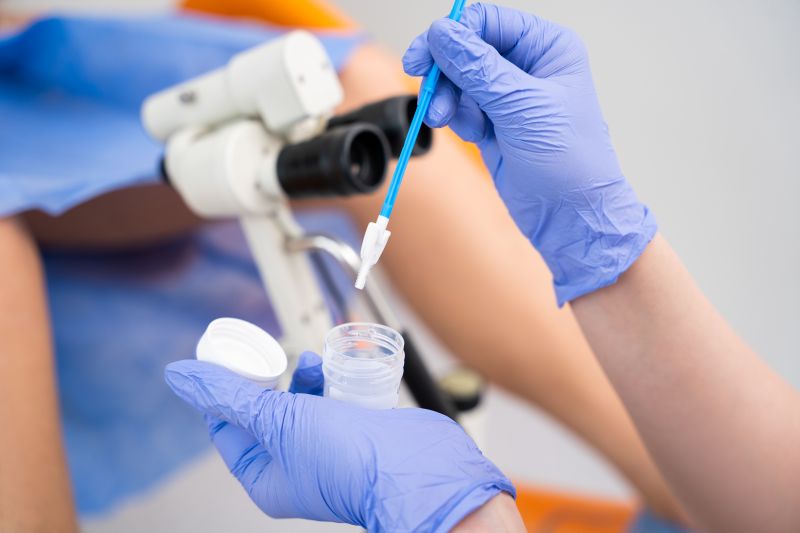
If you’ve been treated for a sexually transmitted infection (STI), you have taken an important step in protecting your health and preventing potential future complications. Proper treatment can eliminate the infection, reduce symptoms, and lower the risk of transmission to others. At this point, you might assume you’re in the clear. However, it is possible to get the same STI again, even after completing treatment. Understanding how reinfection occurs and how to protect yourself can help you stay healthy.
How Can You Get an STI Again?
Many STIs are caused by bacteria, viruses, or parasites that spread through sexual contact. If you are treated for an STI but continue to have sex with an infected partner, you can get the infection again. This is especially common for bacterial STIs like chlamydia, gonorrhea, and syphilis (Centers for Disease Control and Prevention [CDC], 2021).
For example, if you are treated for chlamydia but your partner does not get tested and treated, they can pass the infection back to you. This is why healthcare providers often recommend that both partners get tested and treated at the same time.
Do Treatments Provide Immunity?
Unlike some diseases where treatment or vaccination can provide long-term immunity, STIs do not work this way. Antibiotics can cure bacterial STIs like chlamydia, gonorrhea, and syphilis, but they do not prevent future infections. Similarly, while antiviral medications can help manage viral STIs like herpes or HIV, they do not eliminate the virus from your system. Once infected, these viruses remain in the body for life, though treatment can reduce symptoms and lower the risk of transmission.
Some STIs, like human papillomavirus (HPV) and hepatitis B, have vaccines that can protect against certain strains, but these vaccines must be given before exposure to be effective. If you are sexually active, regular testing and safe sex practices (such as using condoms and/or dental dams) are important steps to reduce your risk.
How to Prevent Reinfection
Since treatment does not prevent future infections, it’s important to take additional steps to protect yourself:
- Ensure all partners are treated: If you are diagnosed with an STI, encourage your partner(s) to get tested and treated as well. Some STIs can be asymptomatic, meaning your partner may not know they are infected.
- Wait to resume sexual activity until treatment is complete: If you are prescribed medication for an STI, wait to have sex until you have finished the full course of the prescription and your healthcare provider says it is safe to resume sexual activity.
- Use protection: Consistently using condoms and dental dams can lower your risk of getting STIs, but they are not 100% effective. Some STIs, like herpes and HPV, can spread through skin-to-skin contact even when using protection.
- Get tested regularly: Regular STI testing is essential, especially if you have new or multiple partners. Early detection can prevent complications and reduce the spread of infections.
- Consider vaccination: If you have not been vaccinated against HPV or hepatitis B, talk to your healthcare provider about getting the vaccine. These vaccines can prevent these types of STIs before exposure.
What to Do If You Think You Have Been Reinfected
If you experience STI symptoms again after treatment, or if a partner informs you that they have tested positive, see a healthcare provider as soon as possible. Symptoms can include unusual discharge, pain during urination, genital sores, or no symptoms at all. The only way to know for sure is to get tested.
STIs are common, and getting one does not mean you did something wrong. The important thing is to take steps to protect your health and communicate openly with partners about testing and treatment. If you have questions about STI prevention or treatment, contact a healthcare provider, a local clinic, or an organization like Planned Parenthood.
References:
- Centers for Disease Control and Prevention. (2021). Sexually transmitted infections treatment guidelines, 2021. Retrieved from https://www.cdc.gov/std/treatment-guidelines/default.htm
- Planned Parenthood. (2025). STDs: What you need to know. Retrieved from https://www.plannedparenthood.org/learn/stds-hiv-safer-sex
Popular Women's Sexual Health Questions
Popular Sexually Transmitted Infections/Diseases (STIs/STDs) Questions
Popular Men's Sexual Health Questions
Public
Providers
Members Only
Newsletter
ISSM Update
Sign up here to receive ISSM Updates and stay informed about sexual medicine, ISSM news, events, and more.