

Could Prenatal Pilates Help Reduce Sexual Distress During Pregnancy?
Pregnancy can be a trying time for many women, including when it comes to sexual function, sexual distress, and overall quality of life. Changes in estrogen and progesterone can be hard on the body, often leading to physical discomfort and fatigue. Concerns about body image and difficulty adapting to pregnancy may also take a toll.
The American College of Obstetricians and Gynecologists (ACOG) recommends at least 150 minutes per week of moderate-intensity exercise during pregnancy. Regular exercise can improve heart health and reduce the risk of excessive weight gain, gestational diabetes, and lower back pain.
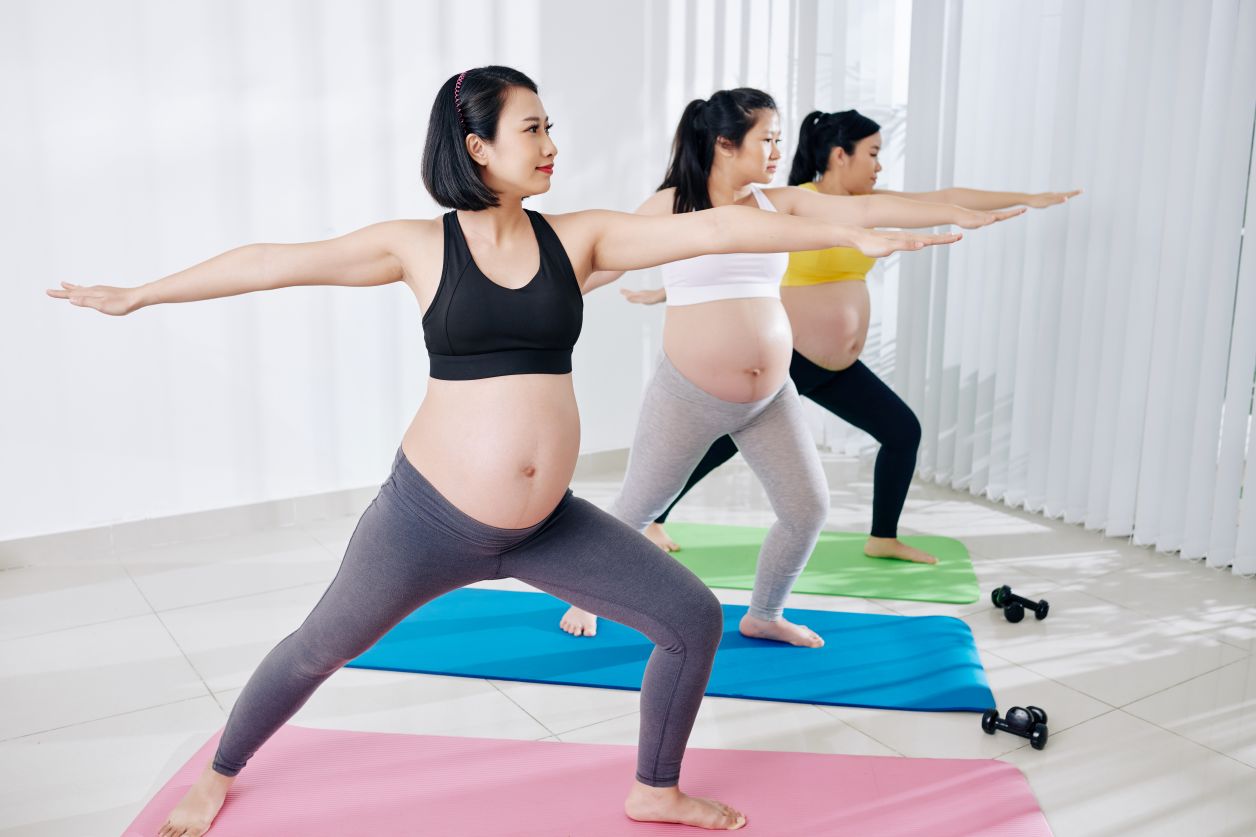
Pilates has been recommended as an exercise during pregnancy because of its focus on core strength, breathing techniques, and pelvic floor training. It may also improve physical function, back and pelvic pain, sleep quality, and other factors that affect quality of life.
Researchers recently investigated how prenatal Pilates might influence sexual function and distress over time. They divided 136 participants into two groups: 64 regularly attended Pilates classes, while 72 did not exercise during pregnancy. The classes were led by the same instructor using floor mats and exercise balls where appropriate (no reformers). All participants received routine obstetric care and were around 31 years old.
The participants also completed two questionnaires during each of the three trimesters of pregnancy:
- The female sexual function index (FSFI) is a 19-question survey used to evaluate women's sexual function over the previous four weeks. Higher scores mean better sexual function.
- The female sexual distress scale-revised (FSDS-R) is a 13-question survey that measures emotional distress related to sexual difficulties over the previous four weeks. Higher scores mean greater distress.
Did Pilates Make a Difference?
There were differences across trimesters and between groups. For example, those who took Pilates classes experienced worse sexual function in the second trimester, followed by an improvement in the third. However, the overall change in FSFI scores between the first and third trimesters was not statistically significant. Sexual function also did not differ significantly between the Pilates and control groups.
The Pilates group reported relatively stable levels of sexual distress throughout pregnancy, although their FSDS-R scores were slightly lower in the second and third trimesters. The control group, on the other hand, reported more sexual distress than the Pilates group during these trimesters. Additionally, their FSDS-R scores appeared to increase over the course of their pregnancies.
While these results may suggest that Pilates could help reduce sexual distress during pregnancy, this cannot be confirmed. It also remains unclear whether Pilates benefits sexual function. Although the control group did not follow an exercise program, the researchers did not account for other health or relationship factors that could have affected the scores.
Overall, this research adds to previous work on the psychological effects of pregnancy and supports the importance of regular exercise during pregnancy.
Key Takeaways
- Pilates is a useful way to stay active during pregnancy while supporting core strength and pelvic floor muscle function.
- The research could not confirm whether Pilates improves sexual function or reduces sexual distress. More research is needed to determine whether other factors influenced the results.
- Pilates could help pregnant women work toward the ACOG-recommended 150 minutes of moderate-intensity exercise per week.
- If pregnancy is causing sexual distress or worsening sexual function, it may be beneficial to speak with a sexual health provider.
Resources
- Kruger, D., & Hughes, S. (2011). Tendencies to fall asleep first after sex are associated with greater partner desires for bonding and affection. Journal of Social, Evolutionary, and Cultural Psychology, 5(4), 239–247. APA PsychNet. https://doi.org/https://doi.org/10.1037/h0099259
Popular Women's Sexual Health Headlines
Public
Providers
Members Only
Newsletter
ISSM Update
Sign up here to receive ISSM Updates and stay informed about sexual medicine, ISSM news, events, and more.